
Pipes & leaks
Slab Leak: Signs, Detection and Repair
A slab leak is a break in a water or drain line under a concrete floor; a water meter that keeps moving with every fixture off is the clearest early sign.
On this page
Key takeaways
- EPA WaterSense's two-hour meter test is the simplest first check: if the meter moves while no water is in use, there is probably a leak somewhere.
- EPA estimates the average household's leaks waste more than 9,300 gallons a year, and 9 percent of homes have leaks of 50 gallons or more a day.
- The California Department of Insurance lists sudden and accidental water damage as typically covered and damage from seepage or leaks as typically not covered.
- In LA County, replacing or rerouting a pipe needs a plumbing permit; only leak repairs that replace no pipe are exempt under County Code Title 28, Section 103.7.
- USGS reports land subsidence of more than 6 feet in parts of the Antelope Valley groundwater basin, a reminder that desert ground is not static.
- This guide gives no repair prices: no agency publishes them, and contractor quotes are the only reliable number for a given house.
Leak numbers from the agencies
- 9,300+ gallonsWater wasted each year by the average household's leaksEPA WaterSense
- 9%Share of homes with leaks wasting 50 gallons or more a dayEPA WaterSense
- 2 hoursLength of EPA's no-use water meter test for hidden leaksEPA WaterSense
- 24–48 hoursWindow to dry wet materials before mold usually growsEPA
What is a slab leak?
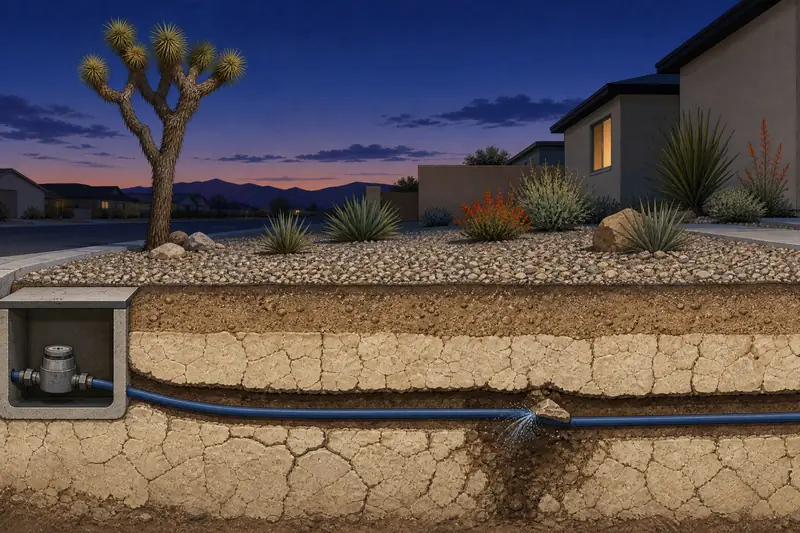
A slab leak is a leak in a water supply pipe or drain line that runs under or inside a home's concrete slab foundation. In a house built on a slab, the copper or plastic lines that feed the kitchen and bathrooms often pass beneath the floor before rising into the walls.
Two kinds of line can fail there. A pressurized supply line leaks all day and night, because the water behind it is always under pressure. A drain line only leaks when water is running down it, so its signs come and go with use. The difference matters, because the meter test below catches supply leaks but can miss a drain leak.
What are the signs of a slab leak?
The most reliable sign of a slab leak is water use you can't account for: a meter that keeps turning, or a bill that jumps with no change in habits. EPA WaterSense suggests looking at a winter month's use and says that if a family of four exceeds 12,000 gallons a month, "there could be serious leaks."
Other signs depend on which line is leaking:
- Hot water line: a warm spot on a tile or concrete floor, a water heater that seems to run more than it used to, or hot water that runs out sooner.
- Cold water line: the sound of running water with every tap closed, damp or lifting flooring, or a musty smell from carpet.
- Drain line: slow drains, a sewer smell, or dampness that appears after showers or laundry.
None of these proves a slab leak on its own. A toilet flapper, a dripping hose bib or a leaking irrigation valve can also move the meter, so rule those out first. EPA's dye test (a few drops of food coloring in the tank, then check the bowl after 10 minutes) clears or convicts the toilets in one step.
How is a slab leak detected?
Slab leak detection starts with isolating where the water is going, then pinpointing the spot so the floor is opened only once. EPA's version of the first step is simple: read the meter, use no water for two hours, then read it again. If the meter changed at all, "you probably have a leak."
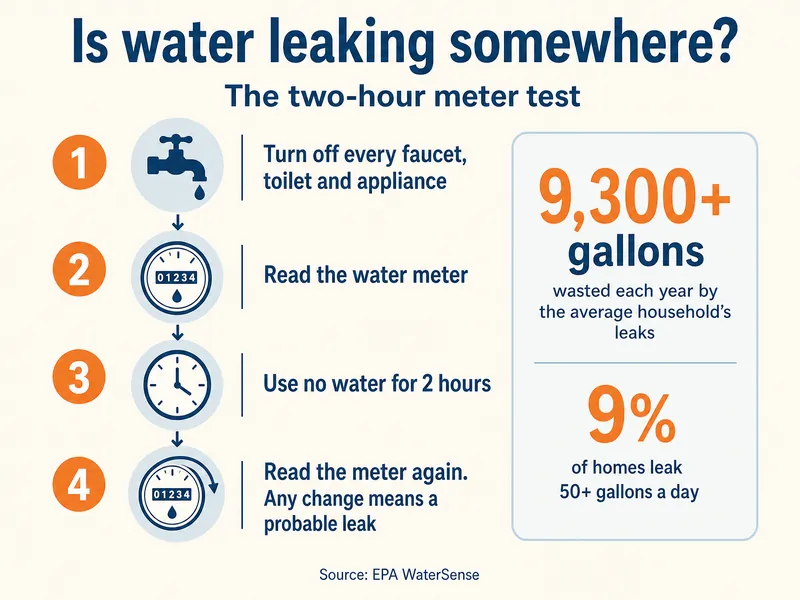
If the meter moves, closing the main shutoff valve where the line enters the house helps split the problem in two. A meter that still moves with the house valve closed points to the service line in the yard, not the slab. The burst pipe guide shows where those valves usually sit.
Inside the house, leak specialists generally combine three methods: listening equipment that picks up the hiss of escaping water through concrete, thermal cameras that show warm patches over a hot water leak, and pressure tests on each line to find which one is losing water. Ask any contractor which methods they will use, what the detection fee covers, and whether it is credited against the repair.
What are the slab leak repair options?
There are three common repairs for a slab leak: a spot repair through the floor, a reroute that abandons the leaking line, or a partial or whole-house repipe. Which one fits depends on the pipe's age, how many leaks the house has had, and what is on top of the slab.
| Option | What happens | Fits best when | Trade-offs |
|---|---|---|---|
| Spot repair | The floor is cut open above the leak, the section is replaced and the slab patched | One leak in otherwise sound pipe | Flooring damage; other weak spots stay in place |
| Reroute | A new line runs through walls or the attic, and the old one is capped | A leaking branch line under a finished floor | Drywall work; longer runs of pipe |
| Repipe | Most or all supply lines are replaced above the slab | Repeated leaks or old, corroded pipe | Largest job; ends slab supply leaks for good |
A first leak in a 1990s house is a different decision from a third leak in a 1960s house. The repipe cost guide covers rerouting and whole-house repiping in more detail, including PEX and copper.
What does slab leak repair cost?
Slab leak repair cost depends on the detection method, the repair type and how much flooring has to come up, and this guide found no agency source that publishes a reliable price range. National cost websites quote wide ranges, but those are not tied to Antelope Valley labor rates or to a specific house.
A written quote should list each part separately:
- Leak detection, and whether its fee is credited toward the repair.
- The repair method (spot repair, reroute or repipe) and the pipe material.
- Floor cutting, slab patching and who restores the finished flooring.
- Drywall openings and patching for a reroute.
- The permit, and who pulls it.
In unincorporated LA County, repairing a leak without replacing pipe is exempt from a plumbing permit, but replacing or rearranging pipes is not, under Title 28, Section 103.7. The California Plumbing Code and permits page explains which office handles a given address.
Does homeowners insurance cover a slab leak?
Homeowners insurance usually treats a slab leak in two parts: sudden water damage to the house may be covered, while the slow leak itself and the pipe repair often are not. The California Department of Insurance's residential guide lists "sudden & accidental water damage" among perils typically covered, and "water damage cause[d] by seepage or leaks", mold, and "wear and tear or maintenance" among perils generally not covered.
The same department's claims guide tells homeowners to find and stop leaks at the source right away and to report water damage claims promptly. It also warns that where damage shows leakage over a period of time, mold may already be present. Read the policy's water damage and "tear out" wording, because some policies pay to open the floor to reach a covered leak.
What causes slab leaks in desert soil?
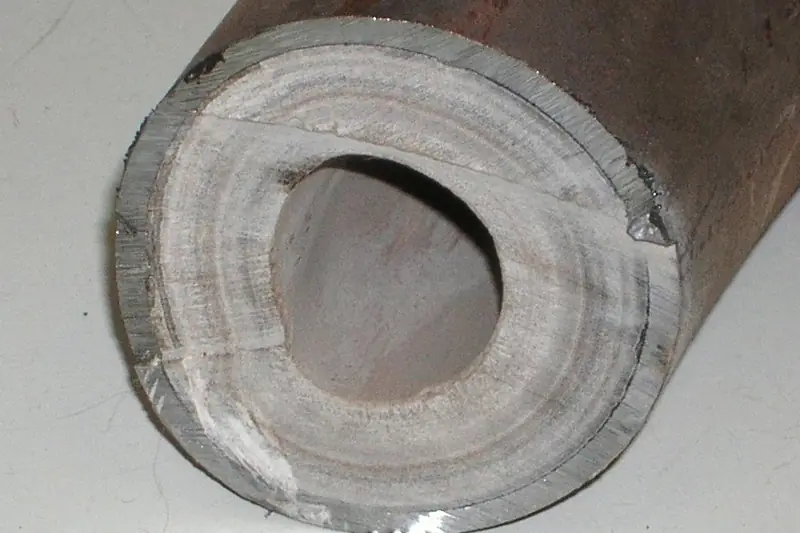
Slab leaks usually come from the pipe itself (corrosion, wear at a bend, or abrasion where it rubs on concrete or rock) or from movement of the ground and slab around it. No agency study ties Antelope Valley slab leaks to one cause, so treat any single explanation with care.
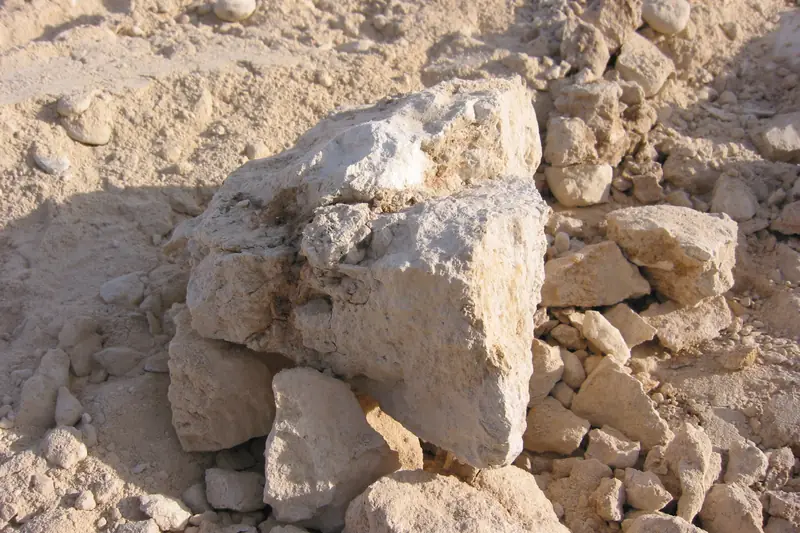
Two local facts are worth knowing. Desert soils here can carry hard caliche layers, and a line that rubs against a rock or a concrete edge as it expands and contracts can wear through over the years. And the ground has moved at a large scale: the USGS reports that groundwater declines of more than 270 feet in parts of the basin have caused land subsidence of more than 6 feet in some areas (USGS Scientific Investigations Report 2014-5166). That is a slow, valley-wide change, not proof that any one leak came from it.
Water pressure also plays a part: the City of San Diego's regulator guidance notes that lower pressure "reduces the potential for leaks"; the water pressure regulator guide shows how to test it with a hose-bib gauge.
How we put this page together
This page is based on EPA WaterSense's Fix a Leak Week guidance and EPA's mold guide, the California Department of Insurance residential insurance guide and its Residential Property Claims Guide (February 2025 edition), LA County Public Works' list of work exempt from permits (County Code Title 28), and USGS Scientific Investigations Report 2014-5166 on Antelope Valley subsidence. All sources were checked in October 2026. Left out: repair price ranges (no agency publishes them), contractor marketing claims about detection accuracy, and any claim that local soil causes slab leaks.
Common questions
Can a slab leak be fixed without breaking the floor?
Yes, by rerouting: the leaking line is capped and a new one runs through the walls or attic instead. It avoids cutting the slab but means opening drywall, and it suits branch lines better than the main supply.
Is a slab leak an emergency?
A supply-line leak runs around the clock, so it should be dealt with promptly, but it is rarely a flood. Closing the main valve between uses limits the water lost and the damage while repairs are arranged.
Why does one spot on the floor feel warm?
A warm patch on a slab floor is a classic sign of a leak in a hot water line underneath. Check whether the water heater is running more than usual, then do the meter test with all fixtures off.
Will the water district find a slab leak?
No. Water districts maintain the meter and the pipe on their side of it; a leak in the house's own plumbing is the owner's to find and fix. A rising bill is often the first clue.
Does a slab leak damage the foundation?
Water running under a slab for months can wet the soil and the floor coverings above it. This guide found no agency source quantifying foundation damage from slab leaks, so ask a structural engineer if cracks appear alongside a leak.
Is it better to repair the leak or repipe the house?
A first leak in sound pipe is usually a spot repair or reroute. After repeated leaks, or with old corroded pipe, many owners choose a repipe so the next leak does not start the process over.
How long does slab leak repair take?
A spot repair or a short reroute is often a one- or two-day job; a whole-house repipe takes longer. Add time for permits and inspections where the work needs them.
More on pipes and leaks
More help: see our Antelope Valley home water guide.