
All Home Water and Plumbing Guides
Home water guides for Antelope Valley houses, all in one list: 37 pages in seven groups, from reading a water report to testing a well, pumping a septic tank and hiring a licensed plumber.

Key takeaways
- The library holds 37 guides: Tap water (6), Hard water & softeners (7), Wells (4), Septic (4), Water heaters (7), Pipes & leaks (7) and Hiring & permits (2).
- Every local water figure comes from a supplier's own report, such as Palmdale Water District's 2025 report or District 40's 2026 editions with 2025 data.
- Hardness is rated on the USGS scale, where 61 to 120 mg/L counts as moderately hard.
- Well guides follow the EPA advice to test a private well annually.
- Septic guides use EPA SepticSmart's three-to-five-year pumping interval rather than contractor rules of thumb.
- The licensing guide follows the Contractors State License Board: under a state law, AB 2622, a license is needed for jobs of $1,000 or more since January 1, 2025.
Seven groups, one number each
- 37Guides on this site, in seven topic groupsAntelope Valley Home Water Guide
- 5.7 gpgAverage hardness of District 40's Lancaster-area wells (98 mg/L), 2025 dataLA County Waterworks District 40
- $100–$400Typical cost of basic well water sampling at a labState Water Board GAMA program
- 8–12 yearsTypical life of a tank water heaterRheem
Which tap water guides cover your supplier?
The tap water guides cover each public system separately, because Palmdale Water District, District 40, Cal Water, Quartz Hill and Rosamond CSD each publish their own consumer confidence reports. Start with the supplier finder if the bill doesn't make it clear, then read the report guide for that city. The chromium 6 guide explains California's 10 µg/L limit, in force since October 1, 2024 (State Water Board), and what each local system says about it.
 Tap waterWho Supplies My Water in the Antelope Valley?
 Tap waterLancaster CA Water Quality: What the Reports Show
 Tap waterPalmdale Water Quality: The 2025 Report Explained
 Tap waterAntelope Valley Water Hardness by Water System
 Tap waterHexavalent Chromium in Drinking Water Explained
 Tap waterWater Quality Report: How to Read Your CCR
Which hard water and softener guides should you read?
Read the softener-need guide first: on city water a softener is optional, since Palmdale Water District's treated surface water averaged 6.5 gpg (111 mg/L) in 2025, a moderately hard reading. The other six guides explain how ion exchange works, what units cost, how salt-free conditioners differ, how to maintain a softener, how to clear scale stains, and when reverse osmosis at one tap makes more sense. Four of these pages carry store links to SoftPro Water Systems, which shares this site's owners, and each one discloses that.
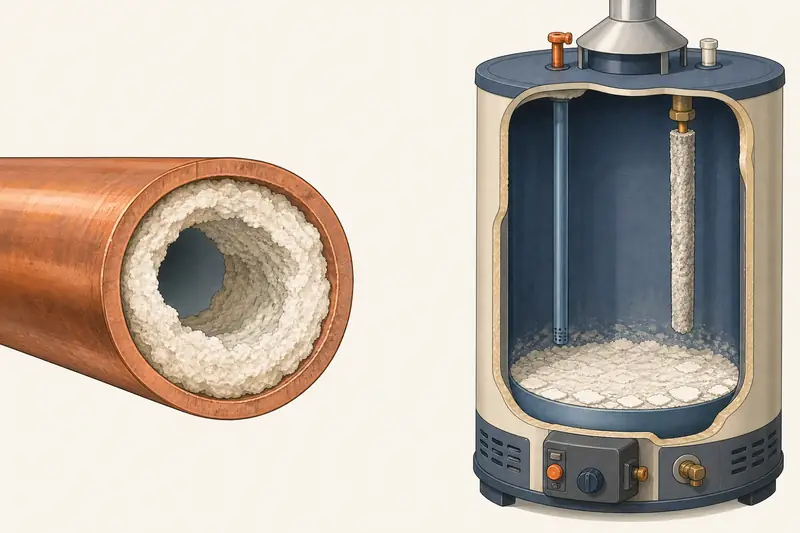 Hard water & softenersDo I Need a Water Softener in the Antelope Valley?
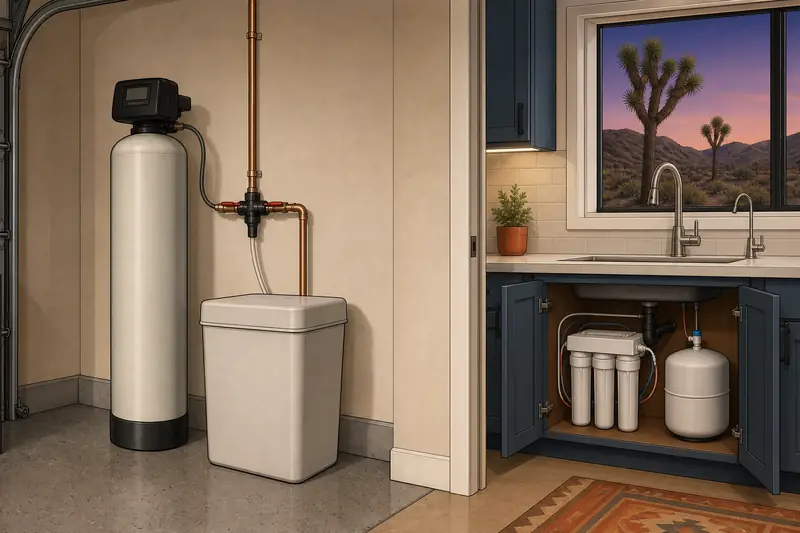 Hard water & softenersWater Softener Cost: Unit, Install and Running
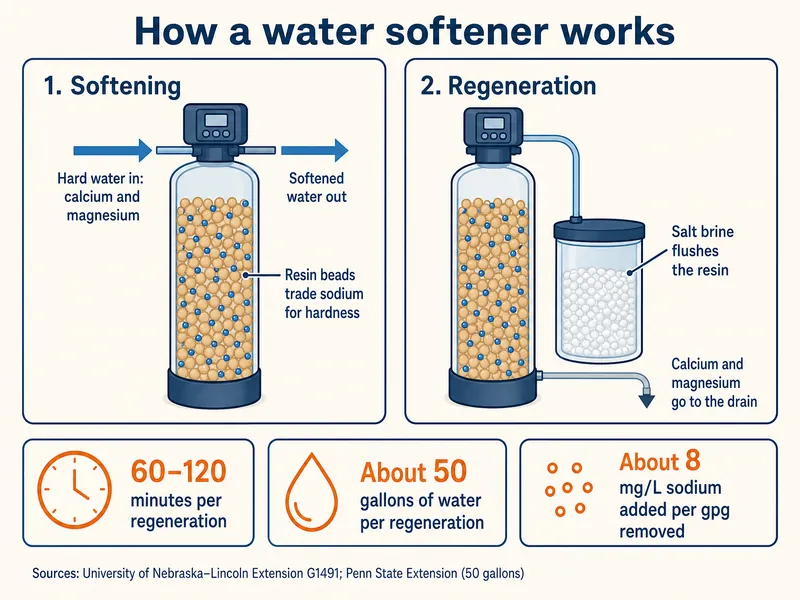 Hard water & softenersHow Does a Water Softener Work?
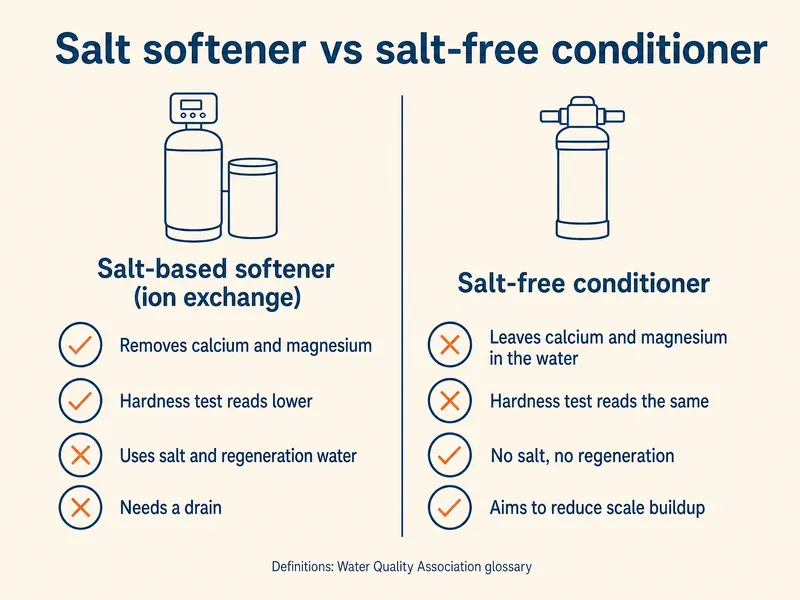 Hard water & softenersSalt-Free Water Softener: What It Does and Doesn't
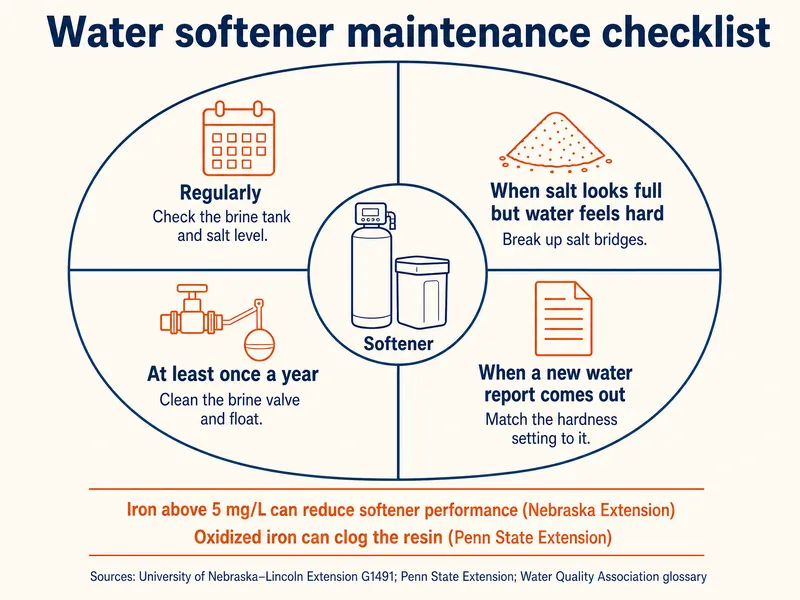 Hard water & softenersWater Softener Maintenance: A Yearly Checklist
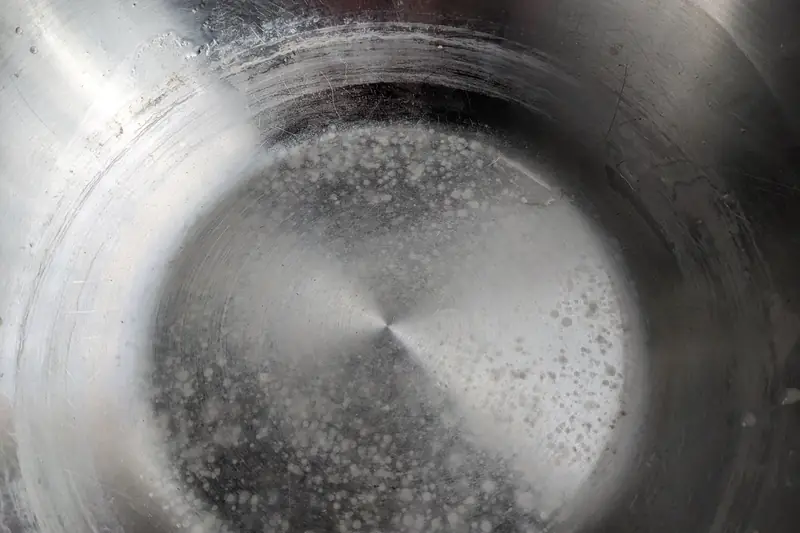 Hard water & softenersHard Water Stains: How to Remove Them
 Hard water & softenersReverse Osmosis vs Water Softener: Which Do You Need?
What do the well guides cover?
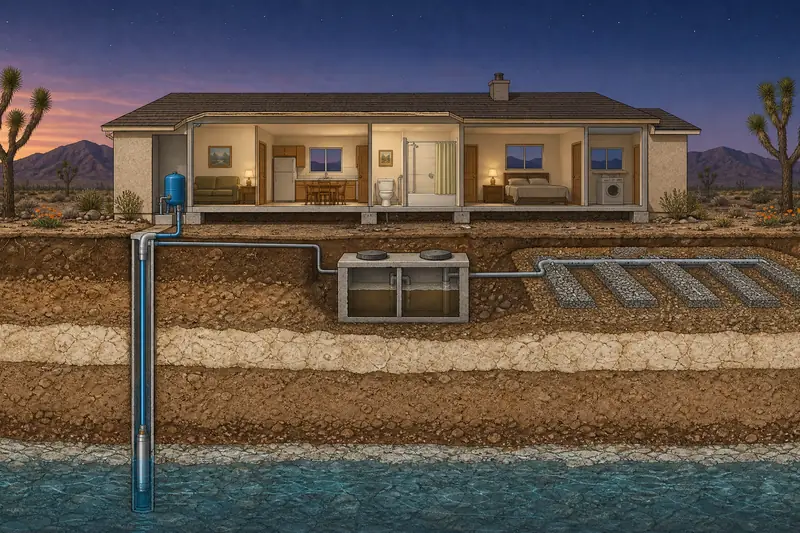
The well guides start from a lab test, because the State Water Board recommends testing a domestic well annually at an ELAP-accredited laboratory (GAMA domestic well page). They cover what to test for in this valley, how to match treatment to the result, why arsenic gets its own page (a USGS survey found it high in 28 percent of the valley's primary aquifers), and how pressure tanks and pumps work.
Which septic guides fit your system?
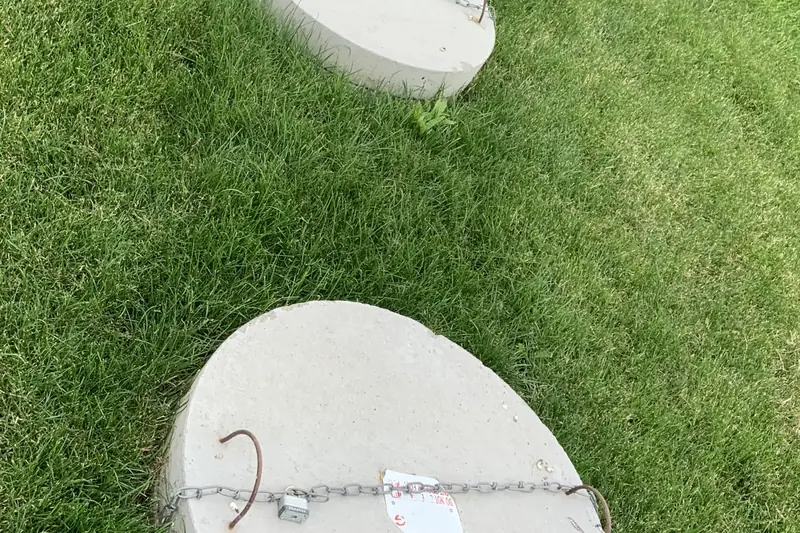
All four septic guides apply to a conventional tank with a leach field or seepage pit, and the inspection guide also covers alternative systems, which the EPA says generally need inspection once a year. Begin with the basics page to identify which parts a property has, then read about pumping, seepage pits and inspections. In unincorporated LA County, the county's onsite wastewater rules set the local requirements.
Which water heater guides answer cost and upkeep?
The cost guides cover replacement and tankless units, and the upkeep guides cover flushing, expansion tanks and earthquake straps; Rheem's figure of 8 to 12 years for a tank, shortened by hard water, ties them together. ENERGY STAR gives tankless gas heaters a 20-year life expectancy (ENERGY STAR). The no-hot-water guide is the place to start when the heater has stopped working.
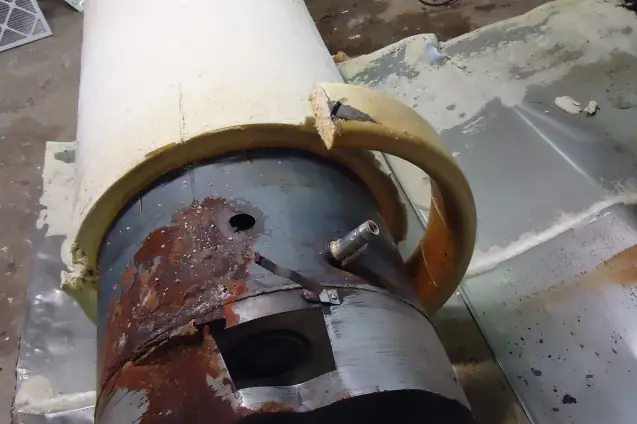 Water heatersWater Heater Replacement Cost in California
- Water heatersHow Long Do Water Heaters Last?
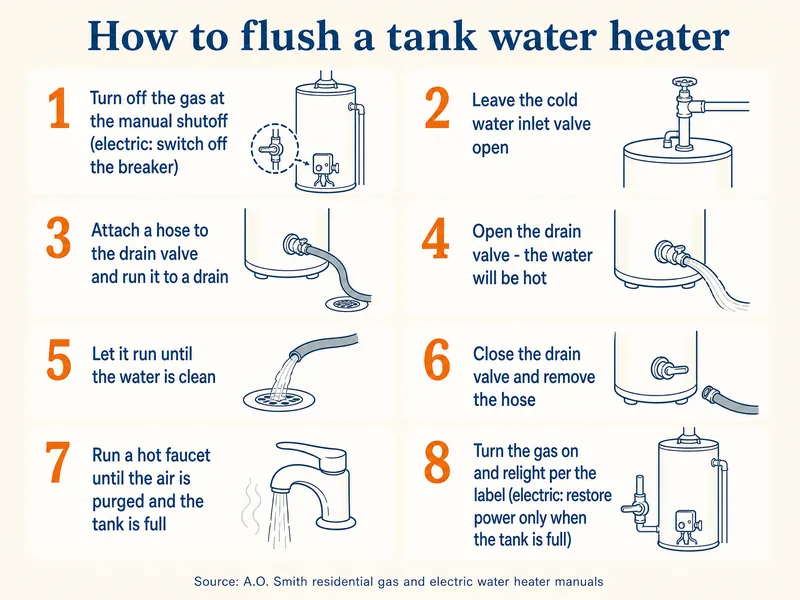 Water heatersHow to Flush a Water Heater Step by Step
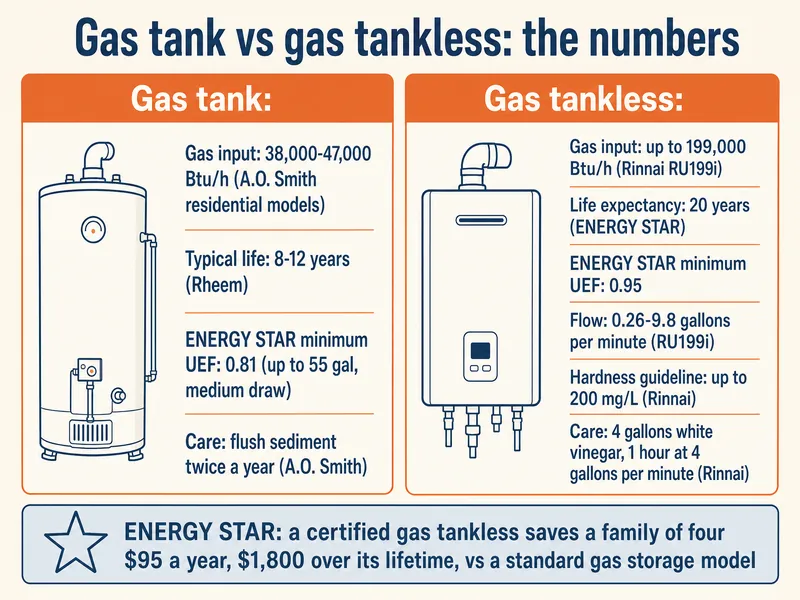 Water heatersTankless Water Heater Cost, Pros and Cons
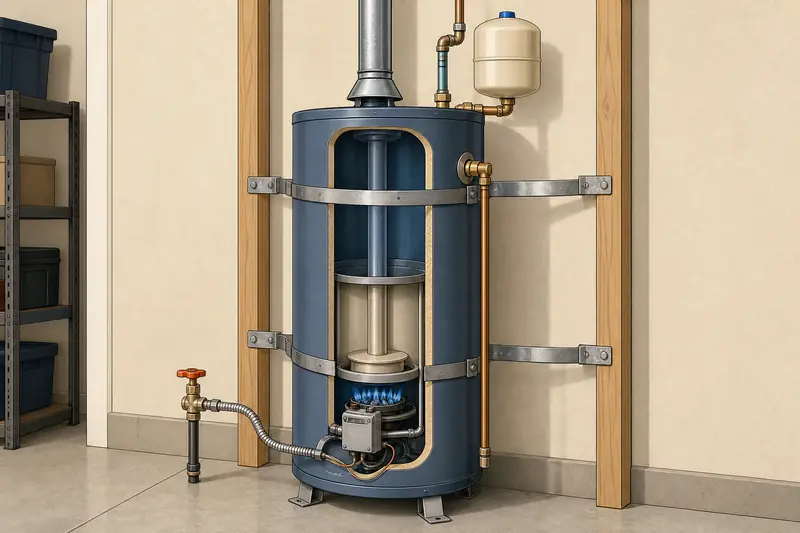 Water heatersWater Heater Earthquake Straps: California Rules
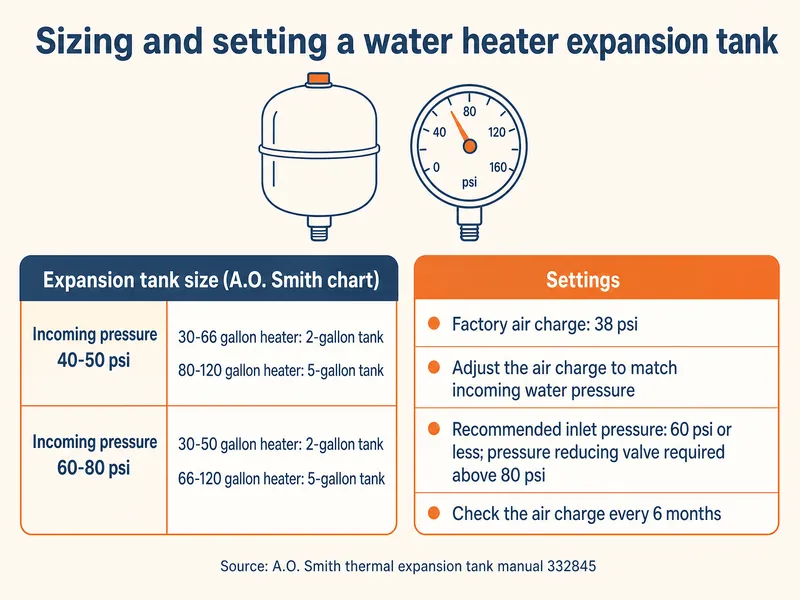 Water heatersWater Heater Expansion Tank and Relief Valve
 Water heatersNo Hot Water? What to Check First
Which pipe and leak guides help in an emergency?
For an emergency, open the burst pipe guide, which is written for the first hour after a pipe breaks. Winter is the main risk: NOAA's 1991–2020 normals count 67.9 freezing nights in an average Lancaster year, measured at Fox Field. The other guides cover slab leaks, repiping, pressure regulators, sewer lines and drains, and explain what drives each job's price instead of quoting ranges.
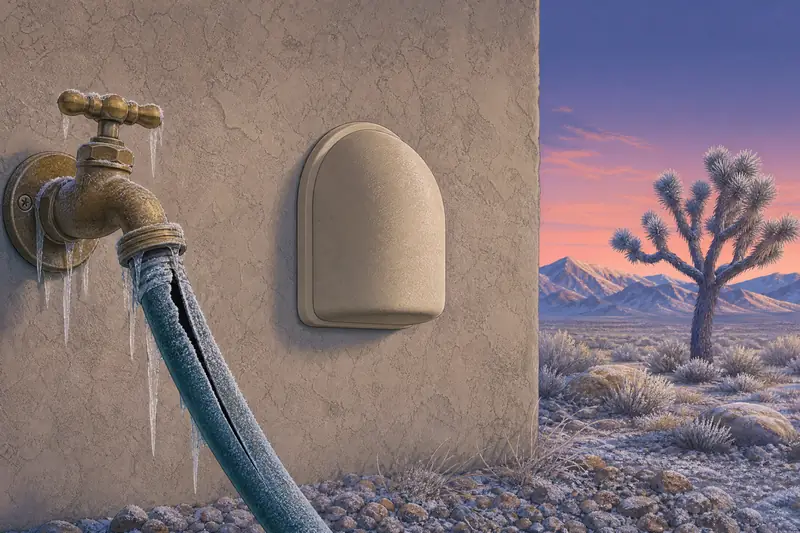 Pipes & leaksBurst Pipe: What to Do in the First Hour
 Pipes & leaksHow to Prevent Frozen Pipes in the High Desert
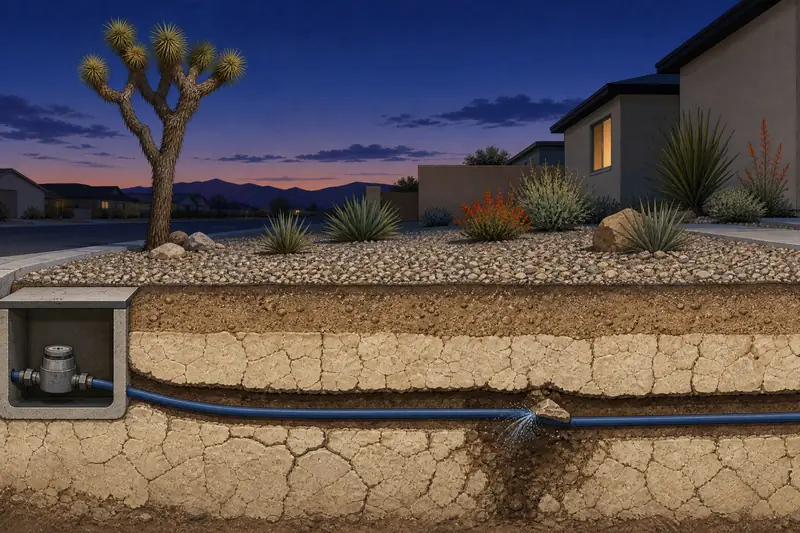 Pipes & leaksSlab Leak: Signs, Detection and Repair
- Pipes & leaksRepipe Cost: PEX vs Copper and Reroutes
 Pipes & leaksWater Pressure Regulator: High, Low and Hammer
 Pipes & leaksSewer Line Replacement Cost and Camera Inspections
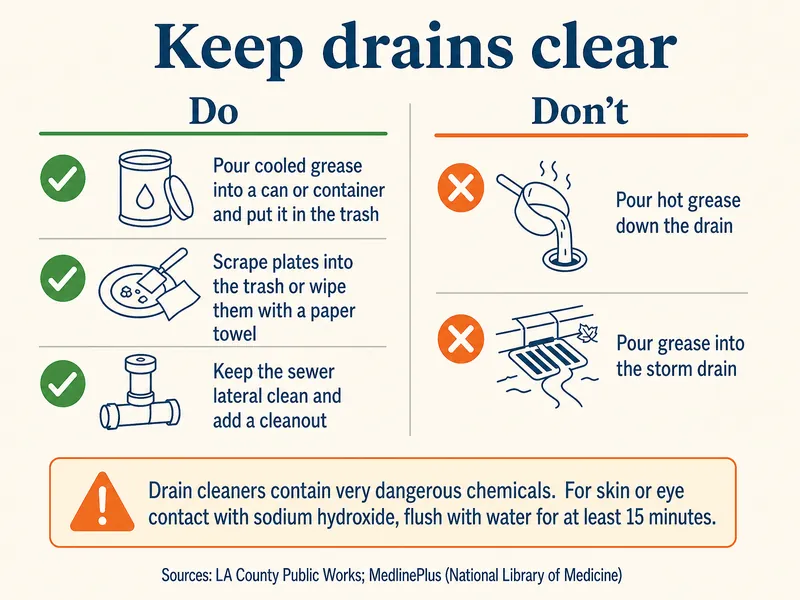 Pipes & leaksDrain Cleaning: From Plunger to Hydro Jetting
Where do the hiring and permit guides fit?
Read them before signing any contract of $1,000 or more, the point at which state law (AB 2622) requires a licensed contractor. The hiring guide covers checking a C-36 plumbing license and keeping a down payment to no more than 10 percent of the contract price; the code guide explains what the California Plumbing Code covers and when a building permit applies.
- Hiring & permitsHiring a Plumber in California: A Checklist
- Hiring & permitsCalifornia Plumbing Code and Permits Explained
| Group | Guides | Main sources |
|---|---|---|
| Tap water | 6 | Supplier consumer confidence reports (2025 data), State Water Board |
| Hard water & softeners | 7 | Supplier reports, USGS hardness classes, maker and store listings |
| Wells | 4 | EPA, CDC, State Water Board GAMA, USGS |
| Septic | 4 | EPA SepticSmart, LA County Public Health |
| Water heaters | 7 | Rheem, ENERGY STAR, California Plumbing Code excerpts |
| Pipes & leaks | 7 | NOAA climate normals, building code excerpts |
| Hiring & permits | 2 | Contractors State License Board, building departments |
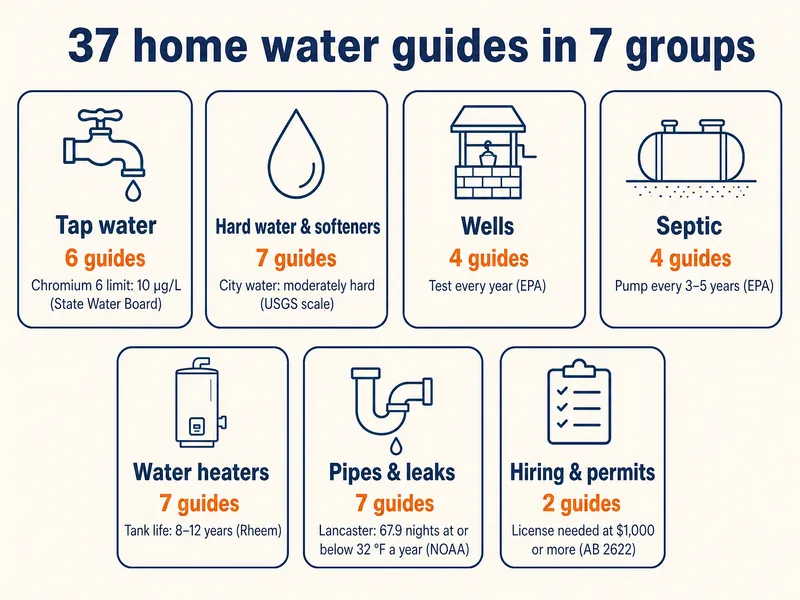
Besides the 37 guides, the site has an overview on the home page and six short pages about how it works: about the guide, how we research, the ownership disclosure, the privacy policy, the terms of use and the accessibility statement.
How we put this page together
This hub lists every guide on the site and summarizes each group from the sources the guides rely on: supplier consumer confidence reports, State Water Board, EPA, USGS, NOAA, CSLB, ENERGY STAR and Rheem pages, checked in October 2026. It adds no figures that are not in those sources.
Common questions
Which guide should a new Antelope Valley homeowner read first?
Start with the supplier finder to learn which water system serves the address, then that system's report guide. Homes on a private well or septic tank should add the well testing and septic basics guides.
Are the guides written for one city or the whole valley?
The whole valley. Pages name the system or place each figure applies to, such as Palmdale Water District or District 40's Lancaster-area regions, because numbers differ from one system to the next.
Do any guides link to a store?
Five softener, reverse osmosis and well treatment guides link to SoftPro Water Systems, which has the same owners as this guide. The links carry a disclosure, and the ownership disclosure page lists them.
How current are the water figures?
The water pages use the latest reports posted when they were checked in October 2026, mostly 2025 data. Each page shows when it was last updated.
Do the cost guides give local prices?
Only where a primary source publishes one, such as the State Water Board's $100 to $400 for basic well sampling. Otherwise the cost guides explain what drives the price and what a written quote should itemize.
Is there a guide for mutual water company customers?
Not yet. Mutual water company reports were not reviewed, so their customers should ask the company for its own annual report.